Music Night Battle: Rap Battle
iJoyGameMusic
4.6112.00 Reviews
- Version
- 1.7.0
- Installs
- 1.00M
- Age Rating
- Everyone 10+
Screenshots
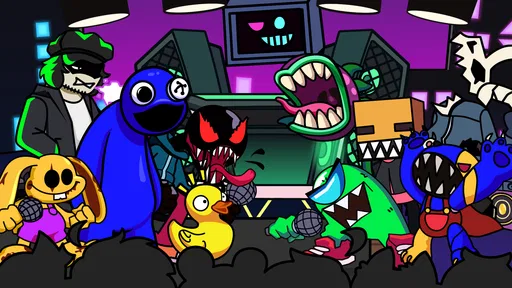
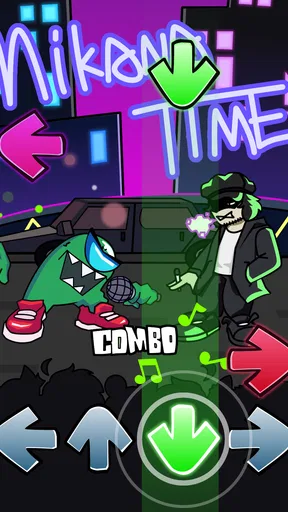
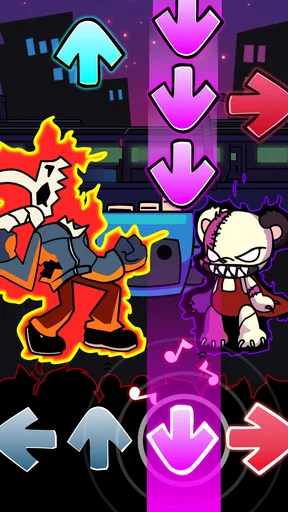
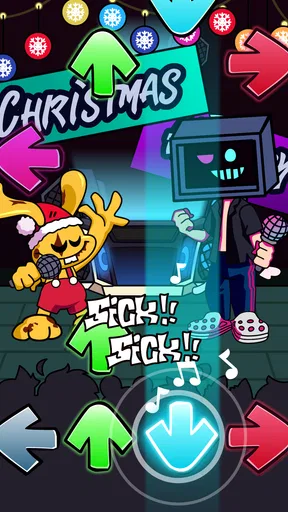
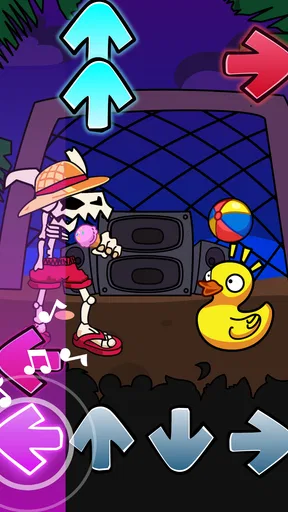
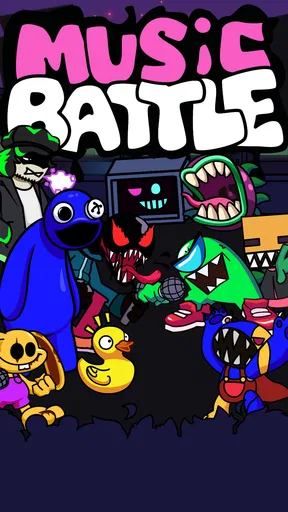
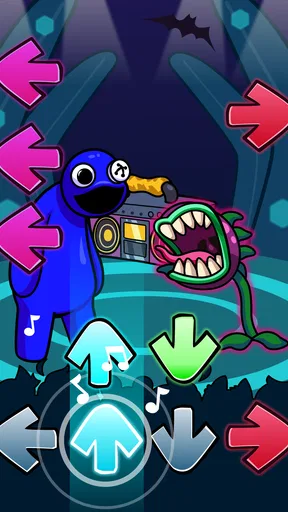
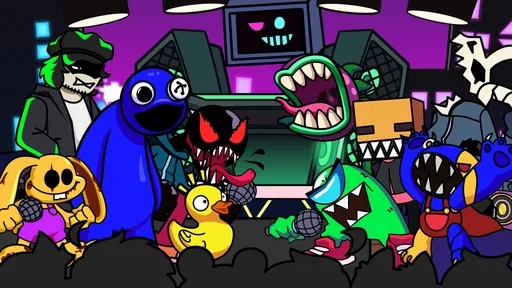
Our Review of Music Night Battle: Rap Battle
 Analysis by Appyee
I approached Music Night Battle: Rap Battle as a quick music game rather than a long-form role-playing experience, and that distinction shaped my whole impression. It is built around the appeal of reacting to a beat, staying focused, and enjoying a short burst of competitive energy. The idea is easy to understand: pick it up when you want musical action, follow what appears on screen, and try to keep your timing under control.
That simplicity is a real advantage on a phone. I do not need to prepare a complicated strategy before starting, and I can enjoy it in a spare moment instead of committing to a long session. At the same time, the straightforward design means the game depends heavily on how satisfying its rhythm interaction feels. If you enjoy rap-themed presentation and music challenges, it has a clear reason to exist. If you are looking for a deep music library, detailed customization, or a serious competitive ranking experience, you should set your expectations differently.
How the game feels during short and demanding sessions
I focus on what a short, demanding session asks of me: starting quickly, keeping attention on the beat, and knowing when to stop rather than forcing one more attempt. I also consider how interruptions or tiredness can change the experience, even when the game itself is simple to pick up. That leads naturally to a closer look at how its rhythm cues shape each attempt.
Quick starts and the first impression of speed
The strongest performance expectation here is responsiveness. A rhythm game lives or dies by the relationship between what I see, what I hear, and when I touch the screen. The game’s night-time music identity gives it an energetic mood, but attractive presentation only matters when the action remains readable enough for me to react without feeling that the phone is getting in the way.
In everyday use, I would treat this as a pick-up-and-play title. It suits the moment when I am waiting for an appointment, taking a short break, or looking for something more active than passive music listening. The short-session format also makes it easier to stop without losing an entire evening. That is useful, especially for players who want a music game that fits around their schedule rather than demanding a fixed routine.
One practical tip is to begin with a few relaxed attempts instead of immediately chasing perfect results. I use those early rounds to learn the visual rhythm and discover whether my device registers taps comfortably. That approach separates two problems that are easy to confuse: a difficult sequence and a control response that does not feel natural. If the timing feels inconsistent from the start, changing how I hold the phone or reducing distractions around me can make the experience easier to judge.
The game is free to start, which lowers the barrier for trying it. Optional purchases range from less than a dollar to several dollars per item, so I would approach them as convenience choices rather than part of the basic reason to install the game. I prefer to spend time understanding whether the core rhythm loop holds my attention before considering any optional purchase.
What happens when the screen becomes busy
Music games can feel light during their opening moments and much more demanding once visual prompts, faster patterns, and stronger musical sections arrive together. That is where I pay attention to more than raw speed. The important question is whether the display remains clear while my attention is divided between the beat, the next input, and the result of my previous move.
For me, the most useful way to play is to focus on the next action instead of staring at the score after every input. Constantly checking performance can interrupt the rhythm and create mistakes that have nothing to do with musical ability. I also find that short sessions are better than forcing a tired replay. Once concentration drops, a rhythm game can feel unfair even when the problem is simply fatigue.
Heavy use can also come from repeating a difficult section many times. That is a different kind of demand from playing one casual round. Repeated attempts keep the screen active and keep my attention locked in, so I would avoid judging the game only by a first, brief test. A phone that feels comfortable for a few minutes may become less pleasant during a longer practice session, particularly if the device is already handling other demanding tasks.
My advice is to close unnecessary background activity before a serious attempt, not because I can promise a particular improvement, but because rhythm play benefits from a clean environment. Notifications, calls, or switching between apps are especially disruptive when the next input depends on a precise moment. This is one of the less obvious trade-offs of a simple mobile music game: the controls may be easy to understand, but concentrated play still needs the right conditions.
Reliability matters more than visual excitement
A stable rhythm game should make me feel that mistakes belong to my timing rather than to unpredictable interruptions. That is the standard I apply here. The developer is iJoyGame, and the game has reached a substantial audience, with more than a million installs and an average rating of 4.8 from around 7.6 thousand ratings. Those figures suggest that the concept has connected with many players, although they cannot replace my own test of how comfortably the game behaves on a particular phone.
I would still recommend a simple recovery habit: after an interruption, do not immediately assume the next attempt will feel identical. Return to a calm round first and check the timing again. A brief pause, an incoming notification, or moving between screens can affect concentration even when the game itself resumes correctly. Restarting a round is often more useful than trying to continue while mentally catching up.
Another sensible habit is to avoid beginning a demanding session when the phone is already warm or low on available resources. That is not unique to this title, but it matters more in a game where a delayed response can ruin an otherwise good sequence. If I am playing casually, a minor interruption is tolerable. If I am trying to improve a result, I want the phone in its most predictable state.
The current version is 1.7.0, so the game is not presented as an untouched first release. It launched on September 19, 2024, and that gives it a relatively recent profile compared with older mobile music games. I treat the version number as useful context, not as a guarantee of flawless behavior. Software can feel different across devices, and a recent version does not automatically mean every phone will deliver the same experience.
Device limits and choosing the right player
The minimum operating system is Android 7.0, which makes the game accessible to a broad range of Android users. That compatibility is helpful if I am using an older phone, but it should not be confused with identical performance across every supported device. A phone that can install the game may still offer a less comfortable experience than a newer model, especially during longer sessions or visually busy moments.
For an older device, I would begin with short rounds and pay attention to three things: whether taps feel immediate, whether the audio and visual cues stay aligned, and whether the phone becomes noticeably warm. These checks are more meaningful than assuming that compatibility alone guarantees a good rhythm experience. If the game feels fine in short bursts but becomes uncomfortable during repeated play, I would use it as a casual title rather than a practice-focused one.
Storage and battery are also practical considerations, even when a game appears simple. I would leave enough free space for the phone to operate normally and avoid playing an intense session while the battery is nearly empty. The reason is not that I expect a specific resource requirement from this game; it is that phones often behave less comfortably when several constraints arrive at once. A rhythm title gives me little room to ignore those changes because timing is central to the experience.
The Everyone 10+ content rating makes it a reasonable option for a younger audience within that age guidance, but I would still consider the player’s tolerance for fast reactions and competitive pressure. A child who enjoys music challenges may find it approachable, while someone who dislikes repeated attempts or performance-based play may lose interest quickly. The rating describes suitability, not whether the game matches a particular personality.
A realistic everyday use case
Imagine I have ten minutes before leaving home. I want something more engaging than scrolling, but I do not want a story-heavy game that I will need to pause at a complicated point. This is where the title makes sense. I can start a music session, concentrate on the beat, and stop after a small number of attempts. If I have another few minutes later, I can return without needing to remember a large amount of narrative information.
That same scenario also reveals its limitation. If I am in a noisy place, sharing a room, or frequently interrupted, the music-focused design loses some of its value. I may still see the prompts, but the audio side of the experience becomes harder to enjoy and timing becomes more difficult to judge. In that situation, a turn-based game or a puzzle with no real-time pressure would probably serve me better.
I also would not choose it as my only music app. A rhythm game asks me to perform, while a streaming service or music player lets me relax and listen. Those are different needs. Compared with a conventional music game that emphasizes a large catalog, instrument simulation, or long-term collection, this one is more appealing when I want a direct rap-battle atmosphere and quick interaction. Compared with a standard casual game, it offers more urgency because the soundtrack is part of the challenge rather than simple background decoration.
Where the experience may become repetitive
The accessible structure that makes the game easy to start can also limit how long I want to keep playing. Music games often depend on the freshness of their patterns, presentation, and challenge curve. If I enjoy mastering timing, repetition can be satisfying because each attempt gives me a chance to improve. If I mainly want variety, the same focused loop may begin to feel narrow sooner than a broader action or strategy game.
I would handle that by setting a small goal for each session. Instead of playing without direction, I might concentrate on cleaner timing, surviving a difficult passage, or simply completing a short run without distractions. This turns repetition into practice rather than empty grinding. It also helps me notice whether I genuinely enjoy the mechanics or am continuing only because the next attempt is easy to start.
The in-app purchase range is another reason I would keep that goal in mind. Because the game is free, I can evaluate the basic experience first. If optional items become tempting, I would decide whether they improve a problem I actually have or merely encourage another impulse purchase. The price range is modest enough to sound approachable, but several small purchases can still add up, so I prefer treating spending as a deliberate choice.
Who should install it, and who should skip it
I would recommend this music game to someone who enjoys quick reaction challenges, likes rap or rock-leaning energy, and wants a title that can fit into short breaks. It is particularly suitable for players who enjoy replaying a song-like sequence to improve their timing. The free entry point also makes it easy to test without first committing to a purchase.
I would be more cautious about recommending it to someone who wants a deep campaign, a quiet listening experience, or a game that can be played comfortably while multitasking. Real-time rhythm play rewards attention, and interruptions can matter more here than in a slower genre. Players with older phones should also test responsiveness before investing serious time, because the minimum operating system only addresses installation compatibility, not the feel of every device.
If my priority were a broad music collection, I would choose a different kind of rhythm game. If my priority were relaxing with songs, I would use a music player. If my priority were a highly structured competitive ladder, I would look for a game built specifically around that feature. This title is best understood on its own terms: a compact, energetic music challenge with a rap-battle identity.
My performance verdict
After weighing the quick-session appeal against the demands of timing-based play, I see Music Night Battle: Rap Battle as a focused option rather than an all-purpose mobile game. Its main strength is the immediate connection between music mood and player action. I can understand what it wants me to do quickly, and that makes it useful for short breaks or repeated practice.
Its main weakness is equally clear: the experience depends on concentration, readable timing, and a phone that feels responsive. That means it is less forgiving than a casual game I can play while distracted. Longer sessions may also expose the limits of a simple loop, especially for players who need constant variety.
My final recommendation is to try it free, begin with short sessions, and judge the timing on your own device before spending anything. Keep the phone free from avoidable interruptions when you want a serious attempt, and use a different genre when you need relaxation or broad musical variety. For the right player, the combination of accessible rhythm action and night-time rap-battle style can make a spare few minutes feel lively. It works best when you treat it as a focused musical challenge, not as a complete replacement for every other kind of game.
Privacy and Permissions
See what permissions an app requests and how it handles your data.
- Other
- view network connections, full network access, control vibration, prevent device from sleeping
Verdict
Strengths of Music Night Battle: Rap Battle
- Quick matches make it easy to play during short breaks.
- Rap-focused gameplay offers a distinctive alternative to standard music games.
- Competitive battles add tension and encourage repeated play.
- Simple controls are approachable for newcomers to rhythm games.
- The themed presentation suits fans of hip-hop culture.
Limitations of Music Night Battle: Rap Battle
- Match quality may depend heavily on the available player pool.
- Repeated songs and patterns can make sessions feel predictable.
- Some players may find the competitive scoring stressful.
- The rap theme may not appeal to users who prefer other music genres.
- Progression can feel limited after the initial novelty wears off.
Similar Picks in This Category
View All
Tiles Hop Music & Ball Game
AMANOTES PTE. LTD.4.3

Magic Tiles 3™ - Piano Game
AMANOTES PTE. LTD.4.6

Real Piano
Bilkon3.7

Piano Game: Classic Music Song
Dream Tiles Piano Game Studio4.0

Smash Colors: Music Ball Rush
BADSNOWBALL HONGKONG LIMITED4.2

Piano Music Go-EDM Piano Games
Joy Journey Music Games4.5
Frequently Asked Questions
What is Music Night Battle: Rap Battle?
Music Night Battle: Rap Battle is a rhythm-based music game centered on rap and beat battles. You follow on-screen notes and tap in time with the music while facing different opponents and songs. Its gameplay is designed to be easy to understand, but later stages become more demanding as patterns become faster and more complex. It is a good choice for players who enjoy casual rhythm games with a hip-hop-inspired presentation.
How do you play Music Night Battle: Rap Battle?
The main objective is to match incoming notes with the correct buttons or screen areas at the right moment. Accurate timing helps your character maintain the advantage during the rap battle, while missed notes can reduce your performance or cause you to lose. After spending some time with the controls, the basic mechanics feel approachable, although advanced levels require concentration, quick reactions, and familiarity with each song’s rhythm.
Is Music Night Battle: Rap Battle free to download and play?
The game can generally be downloaded without an upfront purchase, but the available experience may include advertising, optional in-app purchases, or other limitations depending on the version and platform. Before installing it, players should check the store listing for current pricing details and purchase information. If you prefer uninterrupted sessions, it is also worth reviewing whether ads can be removed or whether extra content requires payment.
Does Music Night Battle: Rap Battle require an internet connection?
An internet connection may be needed for the initial download, advertisements, updates, account-related features, or certain online content. However, the core rhythm battles may be playable offline in some versions once the necessary files have been installed. Availability can vary between Android and iOS releases, so users who plan to play while traveling should test the game in airplane mode and review the developer’s current store description.
Is Music Night Battle: Rap Battle suitable for children and casual players?
The straightforward tap-based controls make Music Night Battle: Rap Battle accessible to casual players, including those who are new to rhythm games. Nevertheless, parents should review the game’s age rating, advertising, in-app purchase options, and the style of its music or character presentation before allowing younger children to play. Difficulty can increase quickly, so the game may appeal most to players who enjoy short challenges and repeated attempts to improve their timing.
Play our best games!


